
A former juror in the Lindsay Clancy case is speaking publicly about the jury deadlock that ended the trial in a mistrial, defending the lone male juror whose vote prevented a unanimous verdict.
The juror, identified only as Juror No. 5, spoke anonymously with WBZ-TV. She said the 12-member panel, which consisted of nine women and three men, remained divided 11-1 during deliberations.
While the majority of jurors disagreed with the holdout, Juror No. 5 said she did not believe the deadlock could simply be blamed on one person. In her view, several jurors had developed strong positions during the trial and struggled to reconsider them.
“There were strong personalities” among the jurors, she indicated, describing the deliberations as a situation in which people on both sides had difficulty moving beyond their existing convictions.
Quick Guide
- Case: Lindsay Clancy
- Trial outcome: Mistrial after the jury failed to reach a unanimous verdict
- Jury split: 11-1 during deliberations
- Juror speaking publicly: Juror No. 5, anonymously
- Defense position: Clancy was experiencing severe mental illness, including postpartum psychosis, and was not criminally responsible
- Prosecution position: Prosecutors argued that Clancy was responsible for the deaths and disputed the defense’s account of her mental state
- Current location: Clancy remains at Tewksbury Hospital
- Next hearing: September 29
Juror Says Her View Changed During the Trial
Juror No. 5 said her own position changed significantly as she listened to the evidence throughout the trial.
At the beginning, she believed Clancy was guilty and criminally responsible for the deaths of her three children: Dawson, 3, Cora, 5, and Callan, 8 months old.
The children died at the family’s home in Duxbury on January 24, 2023. Prosecutors alleged that the children were strangled with exercise bands.
However, after considering the evidence, the juror said she became increasingly focused on Clancy’s mental state at the time of the deaths. Although she said she could still understand why someone might view Clancy as responsible, she ultimately came to believe that Clancy was experiencing a profound mental health crisis.
That shift became central to how she evaluated the question of criminal responsibility.
Why the Jury Could Not Reach a Verdict
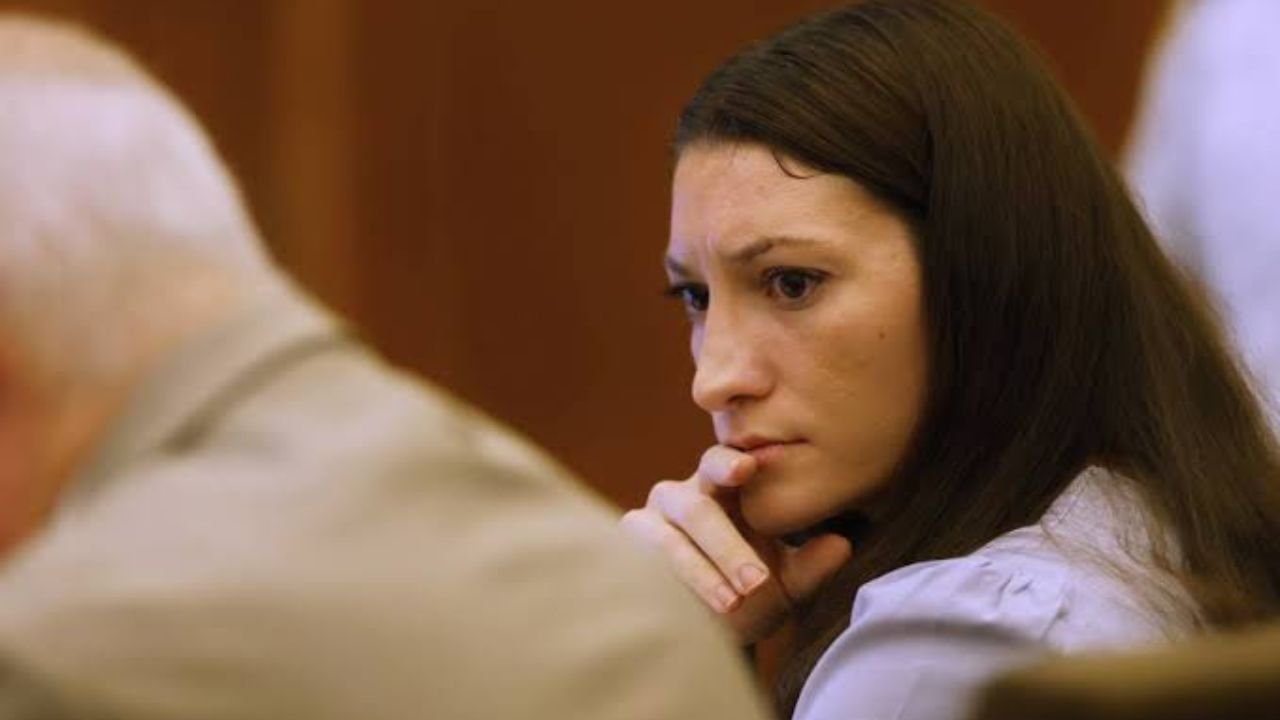
The jury deliberated for seven days before the judge declared a mistrial.
During that period, jurors sent three notes to the court indicating that they were unable to reach a unanimous decision. The reported division remained 11-1.
In one note sent Thursday, the majority of jurors expressed concern that the holdout was not properly applying the legal standard involving reasonable doubt.
Defense attorney Kevin Reddington asked the judge to either question or remove the dissenting juror. The judge declined the request.
With the jury unable to reach the required unanimous verdict, the trial ended in a mistrial.
Juror No. 5’s account, however, offers a different perspective on how the deadlock developed. She argued that the holdout was not necessarily the only juror unwilling to reconsider a firmly held position.
A Case With No Clear Answer, Juror Says
For Juror No. 5, one of the most important factors was the level of uncertainty surrounding the case.
She said there was no single piece of evidence that provided a definitive answer to the central question of Clancy’s mental state and criminal responsibility.
Rather than reaching a point of complete certainty, the juror said she continued to see significant gray areas in the evidence.
That uncertainty eventually led her to accept the defense’s argument that Clancy was suffering from postpartum psychosis and was not criminally responsible for the deaths.
The prosecution presented a different interpretation. Prosecutors argued that Clancy planned the killings and challenged claims that she experienced a psychotic break or heard voices, contending that those claims were fabricated to avoid responsibility.
Because the jury did not reach a unanimous conclusion, those competing arguments were not resolved by a verdict.
Juror Says Treatment Should Be Part of Justice
Juror No. 5 also explained why she ultimately sided with the defense on the issue of criminal responsibility.
She said she believed justice for the three children and their father, Patrick Clancy, as well as their other loved ones, should include ensuring that Clancy receives the psychiatric care she needs.
In her view, imprisonment would not provide the same opportunity for treatment.
Clancy, 36, remains at Tewksbury Hospital, a state-run psychiatric facility.
Her case is expected to return to court, with the next hearing scheduled for September 29.
What Happens Next?
The mistrial does not resolve the criminal case. Instead, it leaves the matter without a final verdict and allows the legal proceedings to continue.
The next stages will depend on decisions by prosecutors, the defense, and the court. Any future proceeding would again have to address the central dispute over Clancy’s mental state and whether she can be held criminally responsible under Massachusetts law.
For now, Juror No. 5’s comments provide an inside look at the disagreement that prevented the first trial from reaching a verdict. Her account also highlights how a juror can move from an initial belief in guilt to reasonable doubt after considering the evidence and competing explanations presented in court.
The case remains closely watched because of the extraordinary circumstances surrounding the deaths and the difficult legal questions involving mental illness and criminal responsibility.